Uncover The Fascinating Origins Behind The "Beaver" Nickname
The nickname "Beaver" is often given to individuals who exhibit industriousness, determination, and a strong work ethic. The beaver is an animal known for its tireless efforts in building dams, lodges, and canals. Its ability to work tirelessly and overcome obstacles has made it a symbol of perseverance and productivity.
People who are called "beavers" are often those who are willing to put in the effort to achieve their goals. They are not afraid of hard work and are always looking for ways to improve their skills and knowledge. They are also often creative and resourceful, finding innovative solutions to problems.
The nickname "Beaver" can be a great compliment, as it shows that the person is respected for their hard work and dedication. It can also be a motivating force, encouraging the person to continue to strive for excellence.
- Graciebon Before Plastic Surgery
- Does Shannon Bream Have Kids
- Chicago Pd Cast Member Dies In Real Life
"Why Was He Called Beaver?"
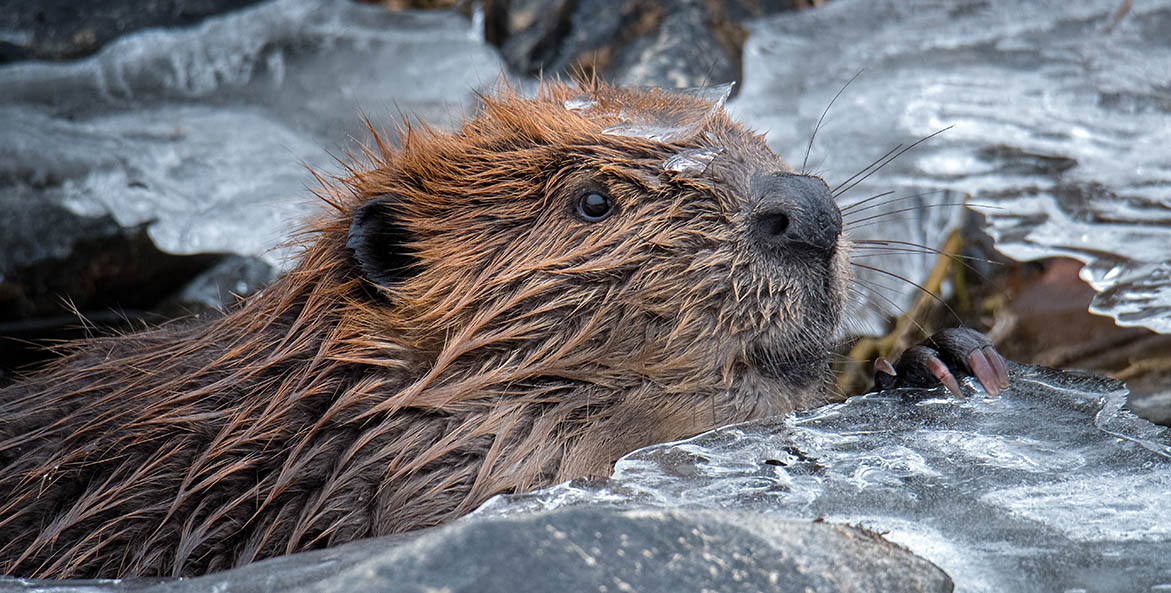
The nickname "Beaver" is often given to individuals who exhibit industriousness, determination, and a strong work ethic. The beaver is an animal known for its tireless efforts in building dams, lodges, and canals. Its ability to work tirelessly and overcome obstacles has made it a symbol of perseverance and productivity.
- Hardworking: Beavers are known for their tireless work ethic.
- Determined: Beavers are not afraid of hard work and are always looking for ways to improve their skills and knowledge.
- Resourceful: Beavers are often creative and resourceful, finding innovative solutions to problems.
- Persistent: Beavers are not easily discouraged and will continue to work towards their goals even when faced with setbacks.
- Cooperative: Beavers work together in colonies to build dams and lodges, which requires a great deal of cooperation and teamwork.
- Adaptable: Beavers are able to adapt to a variety of habitats, from forests to marshes to rivers.
- Resilient: Beavers are able to withstand harsh weather conditions and predators, and they are able to recover quickly from setbacks.
- Successful: Beavers are a very successful species, and they have been able to thrive in a variety of habitats around the world.
People who are called "beavers" are often those who embody these same qualities. They are hardworking, determined, resourceful, persistent, cooperative, adaptable, resilient, and successful. These are all valuable qualities that can lead to success in any field.
Hardworking
The phrase "hardworking beaver" is often used to describe someone who is industrious and dedicated to their work. Beavers are known for their tireless efforts in building dams, lodges, and canals. They work together in colonies, and each beaver plays a specific role in the construction and maintenance of their habitat.
- Facet 1: Dedication to Task
Beavers are highly dedicated to their work. They will often work long hours, and they do not give up easily. This dedication is essential for the success of their colony. If the beavers did not work together to build and maintain their dam, they would not be able to survive.
- Facet 2: Cooperation
Beavers are highly cooperative animals. They work together in colonies to build and maintain their dams, lodges, and canals. Each beaver has a specific role to play, and they all work together to achieve their common goal.
- Facet 3: Perseverance
Beavers are very persevering animals. They will often work on a project for days, weeks, or even months until it is completed. They do not give up easily, even when faced with challenges.
- Facet 4: Results-Oriented
Beavers are results-oriented animals. They are not satisfied until their work is completed to the best of their ability. This drive for results is essential for the success of their colony.
The qualities that make beavers such hardworking animals are the same qualities that make people successful in their careers. Dedication, cooperation, perseverance, and a results-oriented attitude are all essential for achieving success.
Determined
The connection between "Determined: Beavers are not afraid of hard work and are always looking for ways to improve their skills and knowledge." and "why was he called beaver" is that people who are called "beavers" often embody these same qualities. They are hardworking, determined, and always looking for ways to improve themselves.
- Facet 1: Embracing Challenges
People who are called "beavers" are not afraid of hard work. They are always willing to take on new challenges and learn new things. They are also not afraid to fail, and they see failure as an opportunity to learn and grow.
- Facet 2: Continuous Improvement
People who are called "beavers" are always looking for ways to improve themselves. They are never satisfied with the status quo, and they are always striving to be better. They are also always willing to learn new things and develop new skills.
- Facet 3: Dedication to Craft
People who are called "beavers" are dedicated to their craft. They take pride in their work, and they always strive to do their best. They are also always willing to go the extra mile, and they never give up on their goals.
- Facet 4: Seeking Knowledge
People who are called "beavers" are always seeking knowledge. They are always reading, learning, and experimenting. They are also always looking for new ways to apply their knowledge and skills.
The qualities that make beavers determined are the same qualities that make people successful in life. If you want to be successful, you need to be willing to work hard, embrace challenges, and never give up on your goals.
Resourceful
The connection between "Resourceful: Beavers are often creative and resourceful, finding innovative solutions to problems." and "why was he called beaver" is that people who are called "beavers" often embody these same qualities. They are able to think outside the box and find creative solutions to problems. They are also able to use their resources wisely and make the most of what they have.
One example of a resourceful beaver is Leonardo da Vinci. Da Vinci was a painter, sculptor, architect, inventor, and engineer. He was able to use his creativity and resourcefulness to solve a variety of problems, including how to design a flying machine and how to build a bridge that would span a wide river.
Another example of a resourceful beaver is Marie Curie. Curie was a physicist and chemist who conducted pioneering research on radioactivity. She was able to use her creativity and resourcefulness to develop new techniques for isolating and studying radioactive elements.
The qualities that make beavers resourceful are the same qualities that make people successful in life. If you want to be successful, you need to be able to think outside the box and find creative solutions to problems. You also need to be able to use your resources wisely and make the most of what you have.
Resourcefulness is a valuable quality that can help you to achieve your goals and succeed in life.
Persistent
The connection between "Persistent: Beavers are not easily discouraged and will continue to work towards their goals even when faced with setbacks." and "why was he called beaver" is that people who are called "beavers" often embody this same quality. They are not easily discouraged, and they will continue to work towards their goals even when faced with setbacks.
- Facet 1: Overcoming Obstacles
People who are called "beavers" are not easily discouraged. They are always willing to overcome obstacles and challenges. They do not give up easily, and they are always looking for ways to achieve their goals.
- Facet 2: Perseverance
People who are called "beavers" are very persevering. They are willing to work hard and never give up on their goals. They are always looking for ways to improve themselves and achieve their goals.
- Facet 3: Resilience
People who are called "beavers" are very resilient. They are able to bounce back from setbacks and failures. They do not let obstacles stop them from achieving their goals.
- Facet 4: Determination
People who are called "beavers" are very determined. They are always looking for ways to achieve their goals. They are not afraid to work hard and never give up on their dreams.
The qualities that make beavers persistent are the same qualities that make people successful in life. If you want to be successful, you need to be willing to overcome obstacles, persevere through challenges, and never give up on your goals.
Cooperative
The connection between "Cooperative: Beavers work together in colonies to build dams and lodges, which requires a great deal of cooperation and teamwork." and "why was he called beaver" is that people who are called "beavers" often embody this same quality. They are able to work well with others and are always willing to lend a helping hand. They are also able to put the needs of the group ahead of their own.
One example of a cooperative beaver is Jane Goodall. Goodall is a primatologist who has spent her life studying chimpanzees in the wild. She has been able to build a close relationship with the chimpanzees and has learned a great deal about their behavior and social structure. Goodall's work has helped to change the way that we think about animals and has shown that they are capable of great intelligence and compassion.
Another example of a cooperative beaver is Elon Musk. Musk is an entrepreneur who has founded several successful companies, including Tesla and SpaceX. He is known for his ambitious goals and his ability to inspire others to work together to achieve them. Musk's work has helped to advance the fields of electric cars and space exploration.
The qualities that make beavers cooperative are the same qualities that make people successful in life. If you want to be successful, you need to be able to work well with others and be willing to put the needs of the group ahead of your own.
Adaptable
The connection between "Adaptable: Beavers are able to adapt to a variety of habitats, from forests to marshes to rivers." and "why was he called beaver" is that people who are called "beavers" often embody this same quality. They are able to adapt to different situations and environments and are always willing to learn new things. They are also able to find creative solutions to problems.
- Facet 1: Embracing Change
People who are called "beavers" are able to embrace change. They are not afraid of new situations or challenges, and they are always willing to learn new things. They are also able to adapt their behavior and approach to different situations.
- Facet 2: Open-Mindedness
People who are called "beavers" are open-minded and always willing to consider new ideas. They are not afraid to try new things or to change their minds if they are presented with new information. They are also able to see the world from different perspectives.
- Facet 3: Problem-Solving
People who are called "beavers" are able to solve problems and find creative solutions to challenges. They are not afraid to think outside the box or to try new things. They are also able to learn from their mistakes and to adapt their approach to different situations.
- Facet 4: Resilience
People who are called "beavers" are resilient and able to bounce back from setbacks. They are not easily discouraged, and they are always willing to try again. They are also able to learn from their mistakes and to adapt their approach to different situations.
The qualities that make beavers adaptable are the same qualities that make people successful in life. If you want to be successful, you need to be able to adapt to different situations and environments. You also need to be willing to learn new things and to find creative solutions to problems.
Resilient
The connection between "Resilient: Beavers are able to withstand harsh weather conditions and predators, and they are able to recover quickly from setbacks." and "why was he called beaver" is that people who are called "beavers" often embody this same quality. They are able to withstand difficult situations and setbacks, and they are able to bounce back quickly. This resilience is one of the things that makes beavers successful in life.
One example of a resilient beaver is Nelson Mandela. Mandela was a South African anti-apartheid revolutionary, political leader, and philanthropist who served as President of South Africa from 1994 to 1999. He was imprisoned for 27 years for his anti-apartheid work, but he never gave up hope. He eventually became the first black president of South Africa and helped to end apartheid.
Another example of a resilient beaver is Malala Yousafzai. Yousafzai is a Pakistani activist for female education and Nobel Peace Prize laureate. She was shot in the head by the Taliban in 2012 for speaking out in favor of education for girls. She survived the attack and continued to speak out for the rights of girls and women. In 2014, she won the Nobel Peace Prize for her work.
The qualities that make beavers resilient are the same qualities that make people successful in life. If you want to be successful, you need to be able to withstand difficult situations and setbacks. You also need to be able to bounce back quickly and never give up on your dreams.
Successful
The connection between "Successful: Beavers are a very successful species, and they have been able to thrive in a variety of habitats around the world." and "why was he called beaver" is that people who are called "beavers" often embody this same quality. They are able to succeed in a variety of different environments and situations. This is because beavers are adaptable, resourceful, and hardworking. They are also able to work together to achieve their goals.
One example of a successful beaver is Warren Buffett. Buffett is an American investor, business magnate, philanthropist, and the chairman and CEO of Berkshire Hathaway. He is one of the most successful investors in the world and has been called the "Oracle of Omaha." Buffett is known for his value investing approach and his long-term investment horizon. He has also been a generous philanthropist, donating billions of dollars to various charities.
Another example of a successful beaver is Oprah Winfrey. Winfrey is an American talk show host, actress, producer, and philanthropist. She is best known for her talk show, The Oprah Winfrey Show, which aired for 25 seasons. Winfrey is also a successful actress, having starred in films such as The Color Purple and Beloved. She is also a successful producer, having produced films such as Selma and The Butler. Winfrey is also a generous philanthropist, having donated millions of dollars to various charities.
The qualities that make beavers successful are the same qualities that make people successful in life. If you want to be successful, you need to be adaptable, resourceful, and hardworking. You also need to be able to work well with others and to never give up on your dreams.
FAQs About "Why Was He Called Beaver"
The nickname "Beaver" is often given to people who are hardworking, determined, resourceful, and successful. These are all qualities that beavers are known for. Beavers are industrious animals that work together to build dams and lodges. They are also very adaptable and can thrive in a variety of habitats.
Question 1: What are some of the qualities that beavers are known for?
Answer: Beavers are known for being hardworking, determined, resourceful, and successful. They are also very adaptable and can thrive in a variety of habitats.
Question 2: Why are people sometimes called "beavers"?
Answer: People are sometimes called "beavers" because they embody the same qualities that beavers are known for. These qualities include hard work, determination, resourcefulness, and success.
Question 3: What are some examples of people who have been called "beavers"?
Answer: Some examples of people who have been called "beavers" include Warren Buffett, Oprah Winfrey, and Nelson Mandela. These individuals are all known for their hard work, determination, and success.
Question 4: What can we learn from beavers?
Answer: We can learn a lot from beavers. They teach us the importance of hard work, determination, and resourcefulness. They also show us that it is possible to achieve great things when we work together.
Question 5: How can we apply the lessons we learn from beavers to our own lives?
Answer: We can apply the lessons we learn from beavers to our own lives by working hard, being determined, and finding creative solutions to problems. We can also learn from their ability to work together and to never give up on our dreams.
Beavers are amazing animals that can teach us a lot about hard work, determination, and success. By embodying the same qualities that beavers are known for, we can achieve great things in our own lives.
Next Article Section: "The Importance of Teamwork"
Tips on Embodying the "Beaver Spirit"
The "beaver spirit" is a metaphor for the qualities of hard work, determination, resourcefulness, and success. By embodying these qualities, we can achieve great things in our personal and professional lives.
Tip 1: Be Hardworking
Beavers are known for their tireless work ethic. They work together to build dams and lodges, which are essential for their survival. To embody the beaver spirit, be willing to work hard and never give up on your goals.
Tip 2: Be Determined
Beavers are determined to build the best dams and lodges they can. They will not let obstacles stop them from achieving their goals. To embody the beaver spirit, be determined to succeed and never give up on your dreams.
Tip 3: Be Resourceful
Beavers are resourceful animals. They use their environment to their advantage and are always finding new ways to solve problems. To embody the beaver spirit, be resourceful and always find creative solutions to challenges.
Tip 4: Be Successful
Beavers are a successful species. They have been able to thrive in a variety of habitats around the world. To embody the beaver spirit, be successful in all that you do and never settle for mediocrity.
By embodying the beaver spirit, we can achieve great things in our personal and professional lives. We can be hardworking, determined, resourceful, and successful. We can overcome any obstacle and achieve our dreams.
Conclusion:
The beaver spirit is a powerful symbol of hard work, determination, resourcefulness, and success. By embodying these qualities, we can achieve anything we set our minds to.
Conclusion
Throughout history, individuals have been referred to as "beavers" due to their exceptional embodiment of industriousness, determination, and resilience. This moniker serves as a testament to the profound impact these qualities have on personal and collective success.
By emulating the beaver's unwavering work ethic, steadfast resolve, and resourceful problem-solving abilities, we unlock our potential to overcome obstacles, achieve our aspirations, and create a positive impact on the world. As we continue to explore the multifaceted nature of the "beaver spirit," may we find inspiration in these remarkable creatures and strive to embody their indomitable spirit in all our endeavors.
/GettyImages-1160279429-35598ea4c5ba402a9e538aeac25ac4a2.jpg)