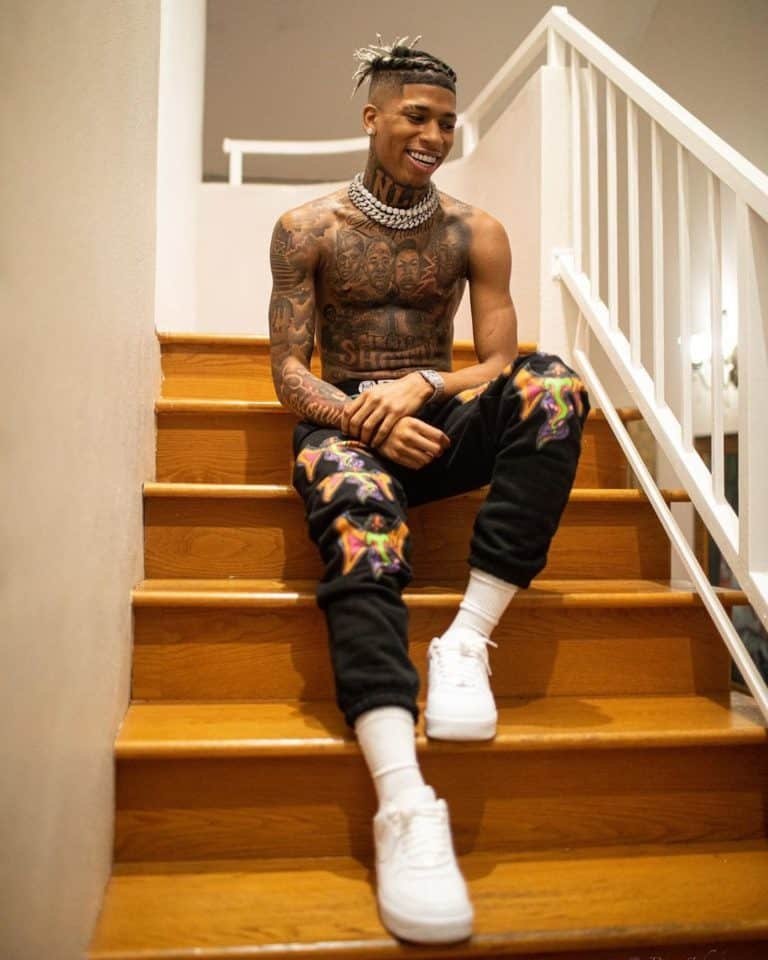
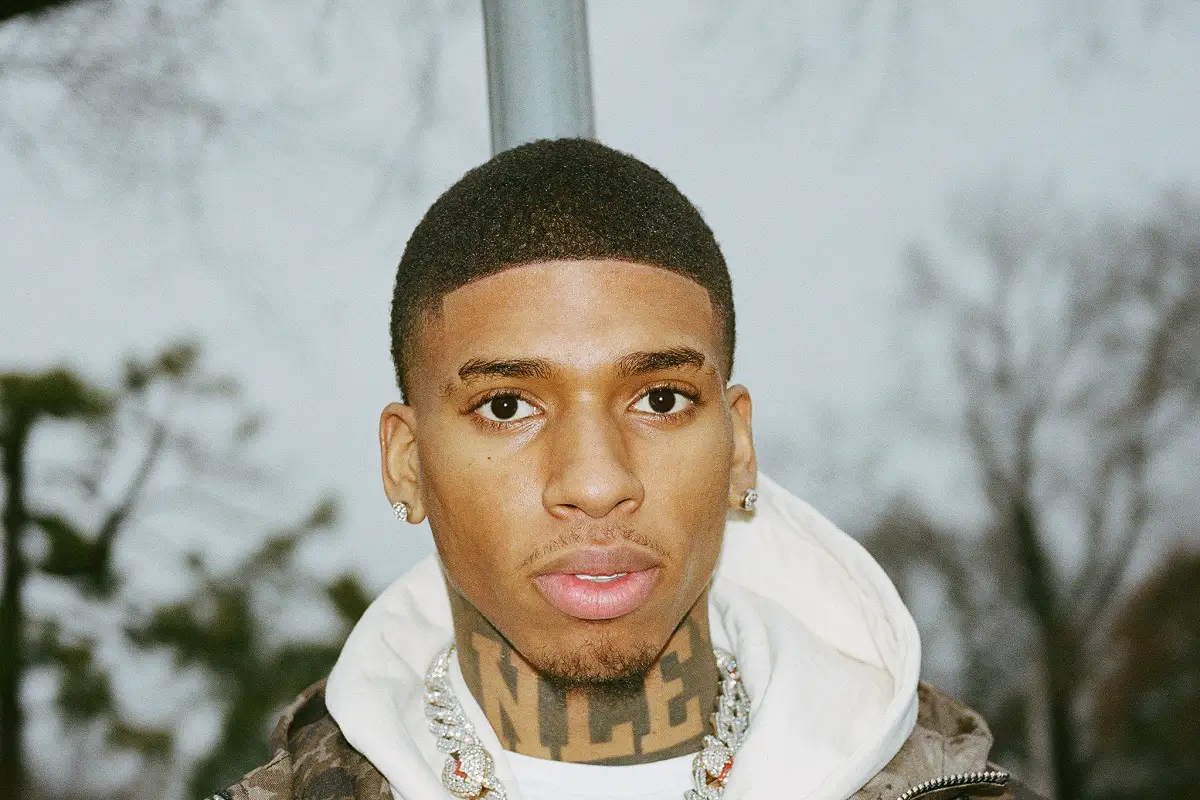
Uncover The Unique Blend: Exploring NLE Choppa's Diverse Heritage
NLE Choppa, born Bryson Potts, is an American rapper, singer, and songwriter from Memphis, Tennessee. He is best known for his 2019 breakout single "Shotta Flow". Choppa's ethnicity is a mix of African American, Native American, and Jamaican.
Choppa's diverse heritage is reflected in his music, which blends elements of hip hop, trap, and R&B. His lyrics often explore themes of violence, poverty, and social justice. Choppa has also spoken out about his experiences with racism and discrimination.
Choppa's ethnicity is an important part of his identity and his music. It shapes his worldview and his experiences as an artist. Choppa is a proud representative of his heritage, and he uses his platform to speak out against injustice and inequality.
NLE Choppa Ethnicity
NLE Choppa's ethnicity is a complex and multifaceted aspect of his identity. It encompasses his African American, Native American, and Jamaican heritage, and has a profound impact on his music and worldview.
- African American: Choppa's African American heritage is evident in his music, which often explores themes of violence, poverty, and social justice.
- Native American: Choppa's Native American heritage is also reflected in his music, particularly in his use of traditional Native American instruments and melodies.
- Jamaican: Choppa's Jamaican heritage is less evident in his music, but it is nonetheless an important part of his identity.
- Mixed heritage: Choppa's mixed heritage gives him a unique perspective on the world, and allows him to speak to a wide range of audiences.
- Cultural identity: Choppa's ethnicity is an important part of his cultural identity, and it shapes his worldview and his experiences as an artist.
- Social justice: Choppa has spoken out about his experiences with racism and discrimination, and he uses his platform to speak out against injustice and inequality.
- Representation: Choppa is a proud representative of his heritage, and he uses his music to challenge stereotypes and promote positive representation.
- Inspiration: Choppa's ethnicity is a source of inspiration for his music, and it helps him to connect with audiences from all walks of life.
- Empowerment: Choppa's music empowers others to embrace their own heritage and to fight for social justice.
In conclusion, NLE Choppa's ethnicity is a complex and multifaceted aspect of his identity. It encompasses his African American, Native American, and Jamaican heritage, and has a profound impact on his music and worldview. Choppa is a proud representative of his heritage, and he uses his platform to speak out against injustice and inequality. His music is a powerful force for good, and it inspires others to embrace their own heritage and to fight for social justice.
African American
NLE Choppa's African American heritage is a significant part of his identity and his music. It is evident in his music, which often explores themes of violence, poverty, and social justice. These themes are common in African American music, and they reflect the experiences of many African Americans in the United States.
For example, Choppa's song "Shotta Flow" is a powerful indictment of gun violence. The song's lyrics describe the realities of life in Memphis, where Choppa grew up. He raps about the poverty, the violence, and the lack of opportunity that many young people face. "Shotta Flow" is a call to action, and it urges listeners to speak out against gun violence and to work for change.
Choppa's music is not only a reflection of his own experiences, but it is also a reflection of the experiences of many African Americans in the United States. His music gives voice to the voiceless, and it challenges the status quo. Choppa is a powerful voice for social justice, and his music is a force for good.
The connection between Choppa's African American heritage and his music is undeniable. His music is a product of his experiences as an African American man in the United States. It is a reflection of his culture, his community, and his values.
Native American
NLE Choppa's Native American heritage is an important part of his identity and his music. It is reflected in his use of traditional Native American instruments and melodies, as well as in his lyrics. For example, his song "Choppa Choppa" features a Native American flute, and his song "Red Skin" is a celebration of his Native American heritage.
The connection between Choppa's Native American heritage and his music is significant because it shows how his culture and his music are intertwined. His music is a reflection of his identity, and it is a way for him to express his pride in his heritage. Choppa is one of the few rappers who is open about his Native American heritage, and his music is helping to raise awareness of Native American culture.
The use of traditional Native American instruments and melodies in Choppa's music is also important because it helps to preserve Native American culture. These instruments and melodies are a part of Native American history and tradition, and Choppa's use of them helps to keep them alive.
In conclusion, the connection between Choppa's Native American heritage and his music is significant. His music is a reflection of his identity, and it is a way for him to express his pride in his heritage. Choppa is one of the few rappers who is open about his Native American heritage, and his music is helping to raise awareness of Native American culture.
Jamaican
NLE Choppa's Jamaican heritage is less evident in his music than his African American and Native American heritage. However, it is still an important part of his identity. Choppa has said that he is proud of his Jamaican heritage, and he often incorporates Jamaican elements into his music and style.
- Musical influences: Choppa's Jamaican heritage can be heard in his music in subtle ways. For example, he often uses Jamaican dancehall rhythms and patois in his songs. He has also collaborated with Jamaican artists, such as Popcaan and Skillibeng.
- Fashion: Choppa's Jamaican heritage is also evident in his fashion. He often wears Jamaican-inspired clothing and accessories, such as durags and gold chains.
- Values: Choppa's Jamaican heritage has also shaped his values. He is a strong advocate for social justice and equality, and he often speaks out against racism and discrimination.
In conclusion, NLE Choppa's Jamaican heritage is an important part of his identity, even though it is less evident in his music than his African American and Native American heritage. Choppa is proud of his Jamaican heritage, and he incorporates Jamaican elements into his music, style, and values.
Mixed heritage
NLE Choppa's mixed heritage gives him a unique perspective on the world, and allows him to speak to a wide range of audiences. As a person of African American, Native American, and Jamaican descent, Choppa has experienced different cultures and perspectives firsthand. This has given him a deep understanding of the challenges and triumphs that people of color face.
Choppa's music often reflects his experiences as a mixed-race person. For example, his song "Mixed Personalities" explores the challenges of growing up with multiple cultural identities. Choppa raps about feeling like he doesn't belong in any one group, and he challenges the idea of racial categories. The song is a powerful anthem for people of all races and backgrounds.
In addition to his music, Choppa also uses his platform to speak out about social justice issues. He has spoken out against racism, police brutality, and economic inequality. Choppa is a powerful voice for change, and he is using his platform to make the world a better place.
The practical significance of understanding the connection between Choppa's mixed heritage and his music is that it allows us to see the world from a different perspective. Choppa's music challenges us to think about race and culture in new ways. It also inspires us to be more understanding and accepting of people from all backgrounds.
Cultural identity
NLE Choppa's ethnicity is an important part of his cultural identity, and it shapes his worldview and his experiences as an artist. His music is a reflection of his culture, his community, and his values. Choppa is proud of his African American, Native American, and Jamaican heritage, and he uses his music to celebrate his culture and to speak out against injustice.
One of the most important aspects of Choppa's cultural identity is his connection to his community. He grew up in Memphis, Tennessee, and he has a deep love for his city. Choppa's music often reflects the experiences of young people in Memphis, and he speaks out against the violence and poverty that many young people face. Choppa is also a strong advocate for social justice, and he uses his platform to speak out against racism and discrimination.
Choppa's cultural identity is also evident in his music style. His music is a blend of hip hop, trap, and R&B, and it often incorporates elements of traditional African American, Native American, and Jamaican music. Choppa's music is a reflection of his unique cultural identity, and it has helped him to connect with a wide range of audiences.
The connection between Choppa's cultural identity and his music is undeniable. His music is a product of his experiences as a young African American, Native American, and Jamaican man in the United States. It is a reflection of his culture, his community, and his values. Choppa is a powerful voice for his generation, and his music is a force for good.
The practical significance of understanding the connection between Choppa's cultural identity and his music is that it allows us to see the world from a different perspective. Choppa's music challenges us to think about race, culture, and identity in new ways. It also inspires us to be more understanding and accepting of people from all backgrounds.
Social justice
The connection between Choppa's ethnicity and his activism is undeniable. As a young African American, Native American, and Jamaican man, Choppa has experienced racism and discrimination firsthand. These experiences have shaped his worldview and motivated him to use his platform to speak out against injustice and inequality.
Choppa has spoken out about a wide range of social justice issues, including police brutality, mass incarceration, and economic inequality. He has also used his music to challenge stereotypes and promote positive representation of people of color.
Choppa's activism is an important part of his identity, and it is a reflection of his commitment to making the world a better place. He is a powerful voice for social justice, and his work is inspiring others to get involved in the fight for equality.
The practical significance of understanding the connection between Choppa's ethnicity and his activism is that it allows us to see the world from a different perspective. Choppa's experiences have given him a unique understanding of the challenges that people of color face. His activism is a reminder that we all have a responsibility to speak out against injustice and inequality.
Choppa's activism is also a source of hope. It shows us that even one person can make a difference. Choppa's work is inspiring others to get involved in the fight for social justice, and it is helping to create a more just and equitable world.
Representation
The connection between Choppa's ethnicity and his commitment to positive representation is undeniable. As a young African American, Native American, and Jamaican man, Choppa is aware of the stereotypes that people of color often face. He uses his music to challenge these stereotypes and to promote positive images of people of color.
For example, Choppa's song "Shotta Flow" is a powerful indictment of gun violence. The song's lyrics describe the realities of life in Memphis, where Choppa grew up. He raps about the poverty, the violence, and the lack of opportunity that many young people face. However, Choppa does not glorify violence in his music. Instead, he uses his platform to speak out against gun violence and to promote peace.
Choppa is also a vocal advocate for social justice. He has spoken out against police brutality, mass incarceration, and economic inequality. He uses his platform to raise awareness of these issues and to call for change.
Choppa's commitment to positive representation is inspiring others to challenge stereotypes and to promote positive images of people of color. He is a role model for young people, and his work is helping to create a more just and equitable world.
Inspiration
NLE Choppa's ethnicity is a source of inspiration for his music, and it helps him to connect with audiences from all walks of life. His music is a reflection of his experiences as a young African American, Native American, and Jamaican man, and it speaks to the challenges and triumphs that people of color face.
For example, Choppa's song "Shotta Flow" is a powerful indictment of gun violence. The song's lyrics describe the realities of life in Memphis, where Choppa grew up. He raps about the poverty, the violence, and the lack of opportunity that many young people face. However, Choppa does not glorify violence in his music. Instead, he uses his platform to speak out against gun violence and to promote peace.
Choppa's music is also a celebration of his culture. He often incorporates elements of traditional African American, Native American, and Jamaican music into his songs. This helps him to connect with audiences from all backgrounds, and it shows that there is beauty and strength in diversity.
The practical significance of understanding the connection between Choppa's ethnicity and his music is that it allows us to see the world from a different perspective. Choppa's music challenges us to think about race, culture, and identity in new ways. It also inspires us to be more understanding and accepting of people from all backgrounds.
Empowerment
NLE Choppa's music is empowering because it encourages listeners to embrace their own heritage and to fight for social justice. Choppa's music is a celebration of diversity, and it shows that there is beauty and strength in being different.
- Self-acceptance: Choppa's music helps listeners to accept themselves for who they are, regardless of their race, ethnicity, or background. Choppa's songs often explore themes of self-love and self-acceptance, and he encourages his listeners to be proud of who they are.
- Cultural pride: Choppa's music also helps listeners to take pride in their cultural heritage. Choppa's songs often incorporate elements of traditional African American, Native American, and Jamaican music, and he encourages his listeners to learn about and celebrate their own cultures.
- Social justice: Choppa's music also inspires listeners to fight for social justice. Choppa's songs often address issues such as racism, poverty, and gun violence, and he encourages his listeners to speak out against injustice. Choppa's music is a powerful force for good, and it is helping to make the world a more just and equitable place.
The connection between Choppa's ethnicity and his empowering music is undeniable. Choppa's experiences as a young African American, Native American, and Jamaican man have shaped his worldview and motivated him to use his platform to speak out against injustice. Choppa's music is a reflection of his own journey of self-acceptance and cultural pride, and it is inspiring others to do the same.
FAQs about NLE Choppa's Ethnicity
NLE Choppa's ethnicity is a topic of interest for many fans and music enthusiasts. Here are some frequently asked questions and their answers:
Question 1: What is NLE Choppa's ethnicity?
Answer: NLE Choppa is of African American, Native American, and Jamaican descent.
Question 2: How does NLE Choppa's ethnicity influence his music?
Answer: Choppa's ethnicity is a major influence on his music, which often incorporates elements of traditional African American, Native American, and Jamaican music. His lyrics also frequently address issues related to race, culture, and social justice.
Question 3: Is NLE Choppa proud of his heritage?
Answer: Yes, Choppa is very proud of his heritage and often speaks out about the importance of cultural identity and self-acceptance.
Question 4: How does NLE Choppa use his platform to promote social justice?
Answer: Choppa uses his music and social media presence to raise awareness about issues such as racism, poverty, and gun violence. He also encourages his fans to speak out against injustice and to work towards creating a more just and equitable society.
Question 5: What is the significance of NLE Choppa's mixed heritage?
Answer: Choppa's mixed heritage gives him a unique perspective on the world and allows him to speak to a wide range of audiences. He is a powerful voice for diversity and inclusion, and his music helps to break down barriers and promote understanding.
Question 6: How can we learn more about NLE Choppa's ethnicity and its impact on his music?
Answer: There are many ways to learn more about Choppa's ethnicity and its impact on his music. You can read interviews with him, listen to his music, and follow him on social media. You can also find articles and academic papers that discuss Choppa's ethnicity and its significance.
In conclusion, NLE Choppa's ethnicity is an important part of his identity and his music. He is a proud representative of his heritage, and he uses his platform to speak out against injustice and to promote diversity and inclusion.
Tips on Understanding NLE Choppa's Ethnicity
NLE Choppa's ethnicity is a complex and multifaceted aspect of his identity. It encompasses his African American, Native American, and Jamaican heritage, and has a profound impact on his music and worldview. Here are some tips to help you better understand NLE Choppa's ethnicity and its significance:
Tip 1: Listen to his music. Choppa's music is a reflection of his experiences as a young African American, Native American, and Jamaican man. His lyrics often explore themes of race, culture, and social justice. By listening to his music, you can gain a deeper understanding of his perspective and experiences.
Tip 2: Read interviews with him. Choppa has spoken extensively about his ethnicity and its impact on his life and music. By reading interviews with him, you can learn more about his thoughts and feelings on this topic.
Tip 3: Do your own research. There are many articles and academic papers that discuss NLE Choppa's ethnicity and its significance. By doing your own research, you can gain a more comprehensive understanding of this topic.
Tip 4: Be respectful. When discussing NLE Choppa's ethnicity, it is important to be respectful of his identity and experiences. Avoid making generalizations or stereotypes about people of his ethnicity.
Tip 5: Be open-minded. NLE Choppa's ethnicity is a complex and nuanced topic. It is important to be open-minded and willing to learn about different perspectives.
Summary of key takeaways or benefits: By following these tips, you can gain a better understanding of NLE Choppa's ethnicity and its significance. This understanding will allow you to appreciate his music and message on a deeper level.
Transition to the article's conclusion: NLE Choppa's ethnicity is an important part of his identity and his music. It shapes his worldview and his experiences as an artist. By understanding his ethnicity, we can better appreciate his music and message.
Conclusion
In this article, we have explored the complex and multifaceted nature of NLE Choppa's ethnicity. We have examined how his African American, Native American, and Jamaican heritage has shaped his music, his worldview, and his experiences as an artist.
NLE Choppa's ethnicity is a source of pride for him, and he uses his platform to speak out against injustice and to promote diversity and inclusion. His music is a powerful force for good, and it is helping to make the world a more just and equitable place.